Savanna Giraffe Sunset 20oz Tumbler Wrap Review
As a designer who spends more time staring at stitch maps than most people spend watching television, I approach every new digital embroidery file with a mix of excitement and skepticism. We have all been there: you buy a design based on a glossy thumbnail, only to find out the stitch density is a nightmare on textured fabric or the details vanish entirely once the needle hits the cloth. Today, I am taking a close look at the Savanna Giraffe Sunset 20oz Tumbler Wrap. While the product title suggests it is intended for sublimation or printing on Tumbler Wraps, my job is to evaluate its potential as a source asset for high-end machine embroidery design projects. Can this graphic translate into thread? Let's dig into the practical realities of using this artwork in a real-world craft business.
First Impressions: Mood and Visual Personality
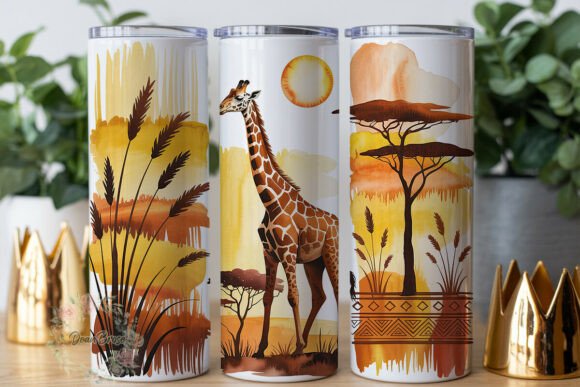
The moment you open the high-resolution PNG files included in this package, the mood is immediate. The silhouette of the giraffe against a setting sun evokes a sense of calm, warmth, and natural beauty. For an embroidery project, this is promising because strong silhouettes often translate better to thread than overly complex, photo-realistic images. The layout, measuring 9.3″ x 8.2″, offers a generous canvas. In the world of Graphics, this size allows for significant detail, but for us stitchers, it presents a challenge of scale. The "sunset" gradient in the original image would need to be interpreted through thread colors, likely requiring a careful blend of oranges, purples, and deep blues to maintain that twilight atmosphere without turning into a muddy mess of overlapping fill stitches.
The visual personality here is boutique and earthy. It feels right for a brand that sells organic cotton goods, safari-themed nursery decor, or travel-inspired accessories. It does not scream "cheap souvenir"; instead, it whispers "handmade quality." This distinction is crucial when you are building trust with customers on platforms like Etsy or at local craft fairs.
Real-World Application: From Screen to Stitch
Let's move beyond theory and imagine a specific scenario. Suppose you run a small shop specializing in personalized gifts and custom apparel. A client approaches you wanting a unique baby shower gift set for parents who love wildlife photography. They want something more substantial than a printed onesie. This is where the Savanna Giraffe Sunset 20oz Tumbler Wrap shines as a reference asset.
You could adapt this design for a large embroidered patch to be sewn onto a canvas tote bag design. The tall aspect ratio of the giraffe fits perfectly on the side of a tote, creating a striking vertical element. Alternatively, consider sweatshirt embroidery. Placing a scaled-down version of this scene on the back of a heavyweight hoodie, perhaps using a combination of satin stitch for the text (if you add some) and dense fill stitches for the animal, would create a premium finished product. The key here is adaptation. Since the download includes PNG files rather than native embroidery formats, you are acting as the interpreter. You must decide where to use running stitch for fine details like the giraffe's ossicones and where to rely on broader fills for the sky.
For holiday embroidery or summer collections, this design works beautifully on kitchen towels or aprons. Imagine a linen apron with this sunset scene stitched near the hem in warm, autumnal tones. It elevates a standard kitchen textile into a piece of art. However, remember that what looks crisp on a 300 DPI screen might behave differently under the tension of a machine needle.
Technical Considerations and Fabric Challenges
Before you commit to stitching this on a client's expensive garment, there are several technical hurdles to clear. Because the original asset is a graphic intended for printing, it lacks the inherent stitch data of a dedicated applique design or pre-digitized file. If you are digitizing this yourself or hiring someone to do it, pay close attention to stitch density. Large areas of solid color, like the sun or the sky, can become stiff and board-like if the fill is too dense. This is particularly important for baby embroidery, where softness against sensitive skin is non-negotiable.
Fabric texture plays a massive role here. On a smooth, tight-weave cotton, the details of the giraffe's spots will pop. However, on a textured fleece or a waffle-knit towel, those same details might get lost. If you plan to use this on stretchy fabric like a t-shirt jersey, you must use a high-quality cut-away stabilizer. Without it, the weight of the design could cause the fabric to pucker, distorting the elegant lines of the sunset. Furthermore, curved surfaces like caps present a unique challenge. The 9.3-inch height of the original design is simply too tall for a standard cap frame. You would need to significantly crop or resize the image, focusing perhaps just on the giraffe's head and neck to make it work as a custom apparel accent on a hat.
Dark fabrics require special consideration. The original graphic likely relies on light colors against a darker background or vice versa. If stitching on black navy blue, you cannot rely on the fabric to show through; you will need to stitch a full underlay or even a white base layer to ensure the sunset colors remain vibrant. Always test your thread color contrast on scrap fabric first. What looks good on the monitor might look washed out or too harsh in person.
Business Value and Brand Consistency
For Etsy sellers and creative entrepreneurs, the value of a design lies not just in its beauty, but in its ability to sell. The Savanna Giraffe Sunset 20oz Tumbler Wrap offers a versatile aesthetic that fits well within current trends favoring nature and mindfulness. Using this motif can help establish brand consistency across different products. Whether it is a pillow cover, a wall hanging, or a limited edition print, the recurring theme helps customers recognize your work.
However, professionalism is key. Since you are working from a PNG and not a pre-made embroidery file, the quality of the final stitch-out rests entirely on your digitizing skills or your vendor's expertise. A poorly digitized version of this beautiful graphic could ruin your reputation. Ensure that small details, like the edges of the leaves or the curve of the giraffe's neck, are defined clearly with appropriate stitch angles. Avoid tiny lettering if you decide to add text, as it rarely stitches out cleanly at smaller scales.
Final Verdict and Designer Notes
The Savanna Giraffe Sunset 20oz Tumbler Wrap is a potent source of inspiration for the savvy decorator. It is not a plug-and-play solution for your embroidery machine, but rather a high-quality canvas for your creativity. To get the best results, treat it as a foundational design asset rather than a final pattern.
- Test First: Always stitch a sample on scrap fabric similar to your final material before cutting into customer goods.
- Check Licensing: Since this is sold as a graphic for tumbler wraps, confirm the license terms regarding commercial embroidery use. Do not assume you can resell the digitized file itself.
- Mockup Strategy: Create black and white mockups to check value contrast before selecting threads.
- Stabilizer Matters: Match your stabilizer to the fabric weight; heavier designs need stronger support.
- Scale Appropriately: Don't force the full 9.3″ height onto small items; crop and adapt for the specific hoop size available.
In conclusion, if you are willing to put in the legwork to adapt this graphic into a stitch-ready format, the Savanna Giraffe Sunset 20oz Tumbler Wrap can be the centerpiece of a stunning collection of handmade products. It bridges the gap between digital art and tactile craftsmanship, offering a pathway to create unique, memorable items that customers will cherish.