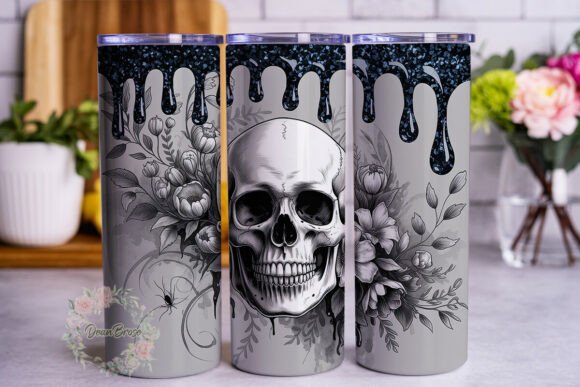
Gothic Skull Drip Floral 20oz Tumbler Review
As a designer who spends more time staring at stitch maps than most people spend on their phones, I approach every new digital embroidery file with a mix of excitement and skepticism. We have all been there: you buy a stunning graphic online, only to realize once it is digitized or applied that the details are too fine for the fabric, or the scale is completely wrong for the intended embroidery project. Today, I am breaking down the Gothic Skull Drip Floral 20oz Tumbler design. While this asset is marketed primarily as a high-resolution PNG for Tumbler Wraps and sublimation, my job is to evaluate its potential life beyond the tumbler. Can this moody, intricate graphic translate into a viable machine embroidery design for custom apparel and handmade goods? Let's dig into the practical realities.
First Impressions: Mood and Visual Personality
The moment you open the file for the Gothic Skull Drip Floral 20oz Tumbler, the mood is undeniable. It strikes a perfect balance between edgy and elegant. The central skull motif is not just a generic bone structure; it is adorned with dripping elements and surrounded by lush floral accents that soften the macabre theme. This duality makes it incredibly versatile. For an Etsy seller or a craft business owner, this visual personality is gold. It appeals to the "dark academia" crowd, fans of alternative fashion, and anyone looking for a personalized gift that stands out from the typical pastel nursery decor.
The dimensions provided—9.3″ x 8.2″ at 300 DPI—suggest a large-scale graphic. In the world of Graphics for printing, this is excellent for full coverage. However, for us stitchers, this size implies a need for significant reduction if we intend to use it on standard garments. The detail level in the floral petals and the drip effects suggests that this image relies heavily on fine lines. If you were to commission a digitizer to turn this PNG into a stitch file, the challenge would be preserving those delicate curves without turning them into a blob of fill stitch or losing them entirely in the fabric texture.
Real-World Application: From Screen to Stitch
Let's imagine a real-life scenario. You run a small shop selling boutique streetwear. A client approaches you wanting a limited-run hoodie featuring a unique gothic floral theme. The Gothic Skull Drip Floral 20oz Tumbler graphic is the perfect inspiration. However, you cannot simply print this PNG onto a hoodie and call it embroidery. To make this work as a custom apparel item, you would likely need to simplify the design.
If adapted correctly, this design would shine as a large back patch on a denim jacket or a centered chest piece on a heavy-weight sweatshirt embroidery project. The "drip" element offers a fantastic opportunity for creative stitching. A skilled digitizer could interpret the drips using long, flowing satin stitch columns that catch the light, while the flowers could be rendered with a mix of satin borders and textured fill stitches to mimic petals. For a tote bag design, the large surface area allows you to keep more of the original intricacy, perhaps using an applique design technique where the floral elements are cut from fabric and stitched down, reducing thread count while maintaining visual impact.
Consider the reaction of your customer. When they receive a finished product like a cap or a pillow cover featuring this motif, they aren't just buying a skull; they are buying an aesthetic. The contrast between the harsh skull and the soft flowers creates a narrative. If executed well with high-quality thread colors—perhaps deep burgundies, slate grays, and muted greens against a black background—the perceived value of the item skyrockets. It moves from a simple craft fair find to a piece of wearable art.
Technical Challenges and Fabric Considerations
Here is where we must be brutally honest. The Gothic Skull Drip Floral 20oz Tumbler graphic is detailed. Translating this directly into stitches without careful planning is a recipe for disaster. If you attempt to stitch this on a stretchy fabric like a thin cotton tee without proper stabilization, the fine lines of the floral details will pucker and distort. The "drip" sections, if too narrow, might not hold up under the tension of the machine.
You need to be extremely cautious with hoop size limitations. While the original graphic is large, reducing it to fit a 4x4 hoop for a baby embroidery project or a pocket logo on a cap will likely obliterate the smaller floral details. In such cases, less is more. You might need to isolate just the skull or a single flower cluster. Furthermore, on textured fabrics like fleece or terry cloth, small details get lost. This design demands a smooth, tight-weave fabric like canvas, denim, or twill to ensure the stitch density lays flat and crisp.
Another critical factor is the background. Since this is a PNG file intended for sublimation wraps, it likely assumes a white or light background unless specified otherwise. If you are stitching this onto a dark fabric, you must ensure the digitized version includes a solid underlay or a backing patch. Otherwise, the dark fabric will show through the stitches, ruining the contrast and making the design look muddy. Always test your design on scrap fabric first. Check how the running stitch outlines hold up after a wash cycle, and verify that the dense areas do not cause the fabric to stiffen uncomfortably.
Maximizing Value for Your Craft Business
For small shop product creators, the versatility of this design is its strongest asset. It fits seamlessly into various niches: holiday embroidery for Halloween, gothic wedding gifts, or even edgy nursery decor for parents who want something different. By offering this as an embroidered patch rather than direct-to-garment, you increase durability and allow customers to apply it to multiple items later. This adds a layer of functionality that boosts customer trust and brand loyalty.
When creating printable mockups for your online listings, remember that the original file is a high-res PNG. You can use this to create stunning digital previews before you ever stitch a thread. Show your customers what the design looks like on a tumbler, but also mock it up on a leather jacket or a canvas tote to demonstrate its versatility as an embroidered patch or direct stitch. This helps buyers visualize the handmade product in their own lives, increasing engagement and conversion rates.
Designer Notes and Best Practices
Before you commit to using the Gothic Skull Drip Floral 20oz Tumbler for a commercial run, keep these practical tips in mind:
- Verify Licensing: The product description states it includes PNG files for tumblers. It does not explicitly state the license terms for converting the image into a stitch file for resale. Always confirm with the creator whether you are allowed to digitize and sell the resulting embroidery designs or finished goods.
- Check Contrast: Review the design in black and white. If the details disappear in grayscale, they will likely get lost in the stitching process. You may need to simplify the floral elements.
- Stabilizer is Key: For a design with this much potential detail, use a cut-away stabilizer for stretchy fabrics and a tear-away for stable wovens. Do not skimp here.
- Thread Selection: Stick to matte threads for a vintage, hand-drawn look, or use rayon for high sheen if you want the "drips" to look wet and glossy. Consistency in thread colors across your product line ensures brand consistency.
- Test Washes: Dense stitch areas can shrink differently than the base fabric. Wash your test sample to ensure the design doesn't pucker or crack after the first laundry cycle.
In conclusion, the Gothic Skull Drip Floral 20oz Tumbler is a visually striking asset that holds immense potential for the creative entrepreneur willing to put in the technical legwork. While it starts as a graphic for Tumbler Wraps, its true power lies in its adaptability. With thoughtful digitization, careful fabric selection, and an eye for detail, this design can elevate your commercial embroidery offerings from standard to spectacular. It is a reminder that great design is not just about the image itself, but how we translate it into the tactile, durable language of thread and fabric.